Comprehensive Eye Exams vs. Vision Screenings: What’s the Difference?

Comprehensive Eye Exams vs. Vision Screenings: What’s the Difference?

Comprehensive Eye Exams vs. Vision Screenings: What’s the Difference?

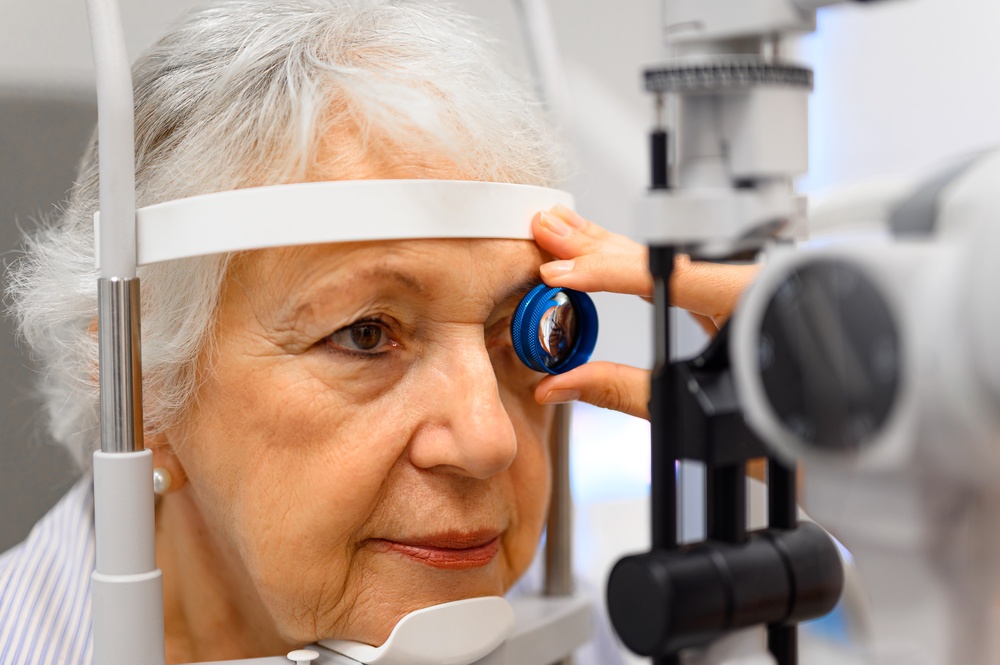
When it comes to protecting your vision, understanding the difference between a vision screening and a comprehensive eye exam is important. In San Antonio, a screening may catch a possible issue, but only a comprehensive eye exam can fully assess your eyes and help us detect concerns early.
What Is a Vision Screening?
A vision screening is a basic check that looks for possible vision problems. It often measures how clearly you can see at a distance and may be performed at a school, workplace, health fair, or primary care setting.
Vision screenings can be useful because they may identify signs that someone needs further evaluation. However, they are limited. A screening does not diagnose eye disease, provide a full prescription, or assess the full health of the eyes. Passing a vision screening does not always mean your eyes are healthy.
Common limitations include:
• It may only measure part of your vision
• It does not fully evaluate eye health
• It cannot detect all eye diseases in early stages
• It does not provide personalized care based on your symptoms, risk factors, or medical history
For patients in San Antonio, this distinction matters. Relying only on screenings can delay diagnosis and treatment.
What Is a Comprehensive Eye Exam?
A comprehensive eye exam is a full evaluation of both your vision and eye health. It goes beyond reading letters on a chart. During a comprehensive eye exam, your optometrist assesses how well you see, determines whether your prescription is current, and examines the structures of your eyes for signs of disease or other concerns.
A comprehensive eye exam is tailored to your age, symptoms, lifestyle, and medical history. That means it gives a much clearer picture of your long-term eye health than a screening can provide.
Why Regular Comprehensive Eye Exams Are Essential
Regular comprehensive eye exams are one of the best ways to protect your vision in San Antonio. First, they help keep your prescription up to date. Even small vision changes can affect reading, driving, screen use, and daily comfort.
Second, they support early detection of eye disease. Conditions such as glaucoma, cataracts, diabetic eye disease, and macular degeneration may develop gradually and without obvious symptoms at first. A comprehensive eye exam can help identify these issues before they cause more serious vision loss.
Third, they provide personalized care. Every patient’s eyes, health history, and visual needs are different. A comprehensive eye exam allows us to recommend care that fits your specific situation.
How Often Should You Have a Comprehensive Eye Exam?
For most patients, an annual comprehensive eye exam is the right schedule. Yearly visits help us monitor vision changes, update prescriptions, and look for early signs of eye disease before they become more advanced. Some patients may need to be seen more often depending on age, medical conditions, symptoms, or risk factors.
Make your eye health a priority with an annual comprehensive eye exam at Alamo Eye Care. Contact our office in San Antonio or Austin, Texas, by calling (210) 403-9050 to book an appointment today.


Powered by: