Diabetic Eye Care in Bexar County: How Advanced Retinal Imaging Protects Your Vision Before Symptoms Begin

Diabetic Eye Care in Bexar County: How Advanced Retinal Imaging Protects Your Vision Before Symptoms Begin

Diabetic Eye Care in Bexar County: How Advanced Retinal Imaging Protects Your Vision Before Symptoms Begin

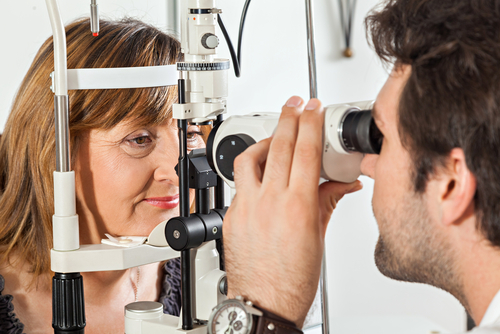
Clear vision does not always mean diabetes has left your eyes unaffected. Changes can develop in the retina before you notice blurred vision or other warning signs. At Alamo Eye Care in San Antonio, we help patients throughout Bexar County stay proactive with diabetic eye exams and appropriate retinal imaging.
Why Diabetic Eye Disease Can Go Unnoticed
Over time, high blood sugar can damage the small blood vessels in the retina, the light-sensitive tissue at the back of your eye. This condition, called diabetic retinopathy, may cause blood vessels to leak or close off. More advanced disease can lead to abnormal new blood vessel growth.
Early diabetic retinopathy often has no symptoms. You may still read, drive, and work comfortably while changes are developing. That is why we encourage regular diabetic eye care instead of waiting for your vision to change.
What Retinal Imaging Helps Us Evaluate
Retinal photographs provide a detailed record of the back of your eye. Alongside a clinical examination, these images help us assess signs of diabetic eye disease and compare findings over time. Depending on the examination and imaging used, we look for:
- Small areas of bleeding within the retina
- Changes in retinal blood vessels
- Deposits associated with leaking blood vessels
- Swelling that may affect central vision
Documenting these findings helps us determine whether you need routine monitoring, closer follow-up, or evaluation by a retinal specialist.
How OCT Adds Another Layer of Detail
When appropriate, we may recommend optical coherence tomography, or OCT. This imaging test uses light to create cross-sectional views of the retina, allowing us to examine its layers and measure thickness.
OCT can help identify fluid buildup associated with diabetic macular edema, which affects the area responsible for sharp central vision. Repeat scans can also help monitor swelling and treatment response. Retinal imaging supports a comprehensive evaluation, but it does not replace a dilated eye exam or prevent vision loss on its own.
When to Schedule Your Diabetic Eye Exam
For adults with type 2 diabetes, an initial comprehensive dilated eye exam is recommended at diagnosis. Adults with type 1 diabetes should have an initial exam within five years of diagnosis. Follow-up is commonly annual, although the interval depends on your findings and individual risk.
At our San Antonio practice, we can help determine an appropriate schedule based on your eye health. If retinopathy is present or progressing, you may need more frequent visits.
Protecting Your Vision Between Visits
Managing blood sugar, blood pressure, and cholesterol with your medical team can help reduce the risk of diabetic eye complications. Keep your recommended appointments even when your vision seems unchanged, and report new visual symptoms promptly. Sudden vision loss or a sudden increase in floaters requires urgent evaluation.
Take a proactive step toward protecting your sight - contact Alamo Eye Care in San Antonio, TX, at (210) 403-9050 to schedule your diabetic eye exam.


Powered by: