San Antonio Summer Swim Safety: The Hidden Vision Dangers of Wearing Contact Lenses at Local Pools and Water Parks

San Antonio Summer Swim Safety: The Hidden Vision Dangers of Wearing Contact Lenses at Local Pools and Water Parks

San Antonio Summer Swim Safety: The Hidden Vision Dangers of Wearing Contact Lenses at Local Pools and Water Parks

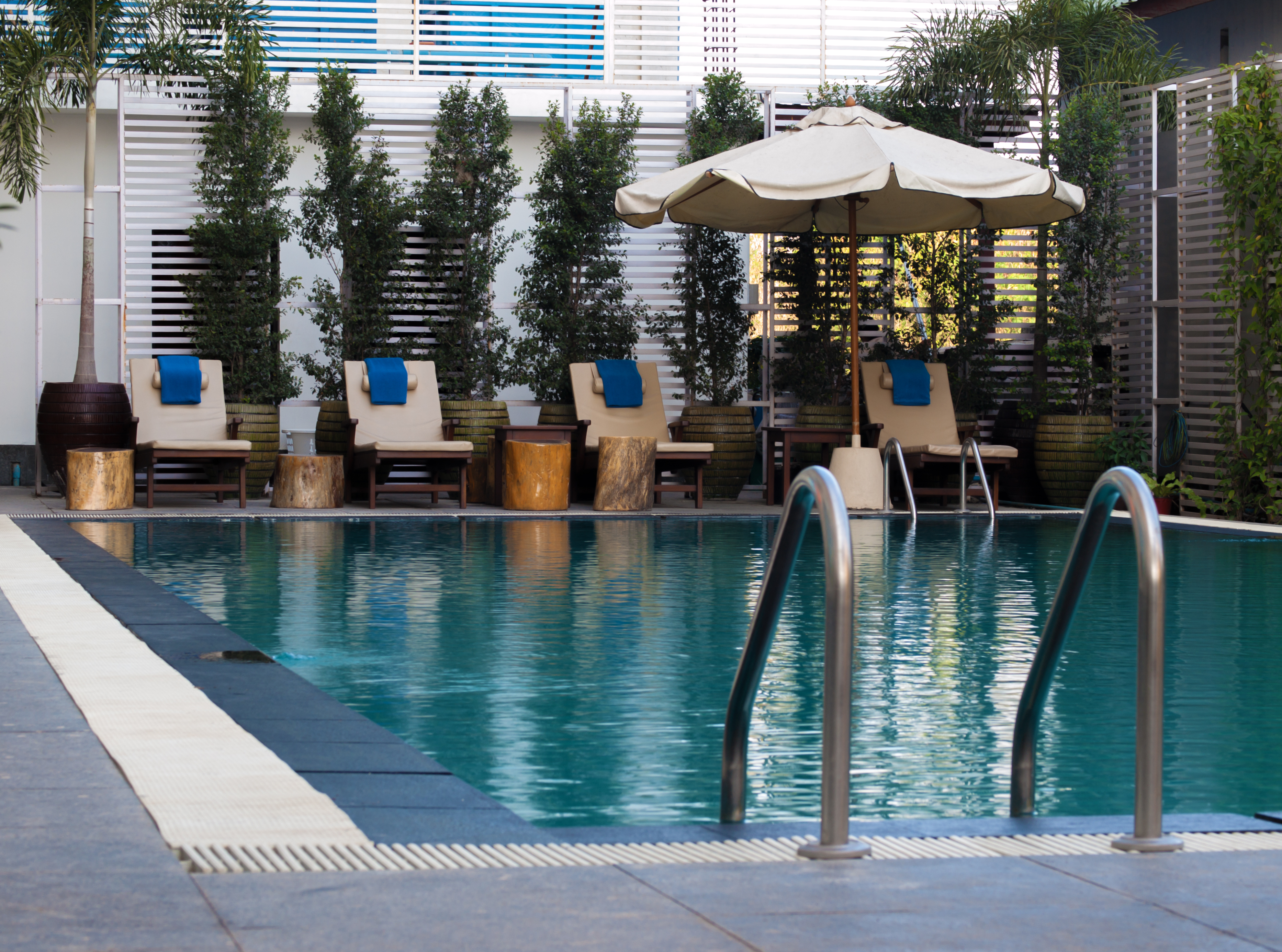
A day at a San Antonio pool or water park can be a refreshing escape from the summer heat. However, swimming while wearing contact lenses can expose your eyes to harmful microorganisms and increase the risk of irritation, corneal injury, and infection.
Contact lenses are safe when worn and maintained correctly, but they should not come into contact with water. Chlorine may reduce certain germs in a pool, but it does not make the water sterile or safe for contact lens wear. The Centers for Disease Control and Prevention recommends removing contact lenses before swimming, showering, or entering a hot tub.
Why Pool Water and Contact Lenses Do Not Mix
Soft contact lenses can absorb water, swell, change shape, and adhere more tightly to the eye. Water can also become trapped beneath the lens, holding microorganisms against the cornea. This combination may lead to redness, dryness, scratches, or infection.
One serious concern is Acanthamoeba keratitis, a rare but potentially sight-threatening corneal infection caused by a microorganism found in water and soil. Contact lens wear and improper water exposure are important risk factors. Avoiding water while wearing contacts is one of the simplest ways to reduce this preventable risk.
Does Chlorine Protect Contact Lens Wearers?
Chlorinated water can still irritate the eyes and contain contaminants. Chlorine may also disrupt the tear film, leaving the eyes feeling dry, burning, or gritty after swimming. Wearing contacts can intensify the problem because the lens sits directly on the tear film and may trap irritating substances.
This risk applies to San Antonio swimming pools, splash areas, water parks, lakes, rivers, and hot tubs. Natural water presents its own microorganisms, while hot tubs can create additional concerns because warm water supports microbial growth.
Are Daily Disposable Contacts Safe for Swimming?
Daily disposable contact lenses offer a fresh lens each day and eliminate overnight cleaning. However, they are not safe to wear in the water. A daily lens can still absorb pool water and trap microorganisms against the eye.
The safest approach is to remove all contact lenses before swimming. If clear vision is necessary, professionally fitted prescription swim goggles are a better option.
How to Protect Your Eyes While Swimming
Before visiting a San Antonio pool or water park:
- Remove contact lenses before entering the water
- Use well-fitted prescription swim goggles when vision correction is needed
- Bring backup glasses in a protective case
- Wash and completely dry your hands before handling lenses
- Never rinse lenses or storage cases with tap or pool water
- Keep contact lens solution and replacement lenses available
- Avoid rubbing your eyes after swimming
Goggles reduce direct water exposure, but they should not be used as permission to wear contacts while swimming. Water may still leak around the edges, especially during diving, slides, or active play.
What Should You Do After Accidental Water Exposure?
If you accidentally swim while wearing contacts, leave the water and remove them as soon as you can safely wash and dry your hands. Discard daily disposable lenses rather than reinserting them. Reusable lenses should be cleaned and disinfected according to your eye doctor’s instructions, although replacement may be recommended depending on the situation. The CDC advises using contact lens solution rather than water for cleaning and storage.
Monitor your eyes for increasing redness, pain, light sensitivity, discharge, excessive tearing, or blurred vision. Contact an eye doctor promptly if these symptoms develop. Do not assume significant pain or persistent redness is ordinary chlorine irritation.
Prepare for Safer Summer Vision
A professional contact lens exam can help you select lenses that fit your prescription, eye health, and lifestyle. At Alamo Eye Care, we provide comprehensive eye care and advanced contact lens fittings for patients throughout San Antonio, including specialty options for complex visual needs.
Protect your eyes before your next pool or water park visit by scheduling a contact lens exam with Alamo Eye Care at 1742 North Loop 1604 East, Suite 117, San Antonio, TX 78232. Call or text (210) 403-9050 to book your appointment.


Powered by: